
Understanding Sports Broadcasting
Definition and Overview of Sports Broadcasting
Sports Broadcasting involves the transmission of live or recorded sports events to audiences through various media channels. This can include traditional platforms such as television and radio, as well as newer digital formats like social media and streaming services. With the rise of technology, Sports Broadcasting has evolved to include interactive elements that enhance viewer experience, making it an essential component of the sports industry.
The Evolution of Sports Broadcasting
The journey of Sports Broadcasting has transformed significantly over the decades. Initially, sports events were shared primarily through radio broadcasts, which offered play-by-play commentary to audiences at home. As technology progressed, television became the dominant medium, bringing the visuals of live sports to millions globally. Today, we see a combination of linear television and on-demand streaming services, leading to the emergence of a highly competitive market. The incorporation of digital platforms allows for greater audience engagement and accessibility, showcasing how adaptable Sports Broadcasting has become in an ever-changing digital landscape.
Key Components in Successful Sports Broadcasting
Success in Sports Broadcasting hinges on several key components, including high production quality, expert commentary, effective promotion, and audience interaction. Ensuring that broadcasts are rich in visual and audio quality enhances viewer satisfaction. Commentary requires individuals who not only know the game but also captivate the audience. Promotion through various channels raises awareness and builds anticipation, while engaging with fans directly fosters a community atmosphere around the events.
Technical Aspects of Sports Broadcasting
Essential Equipment for Quality Broadcasts
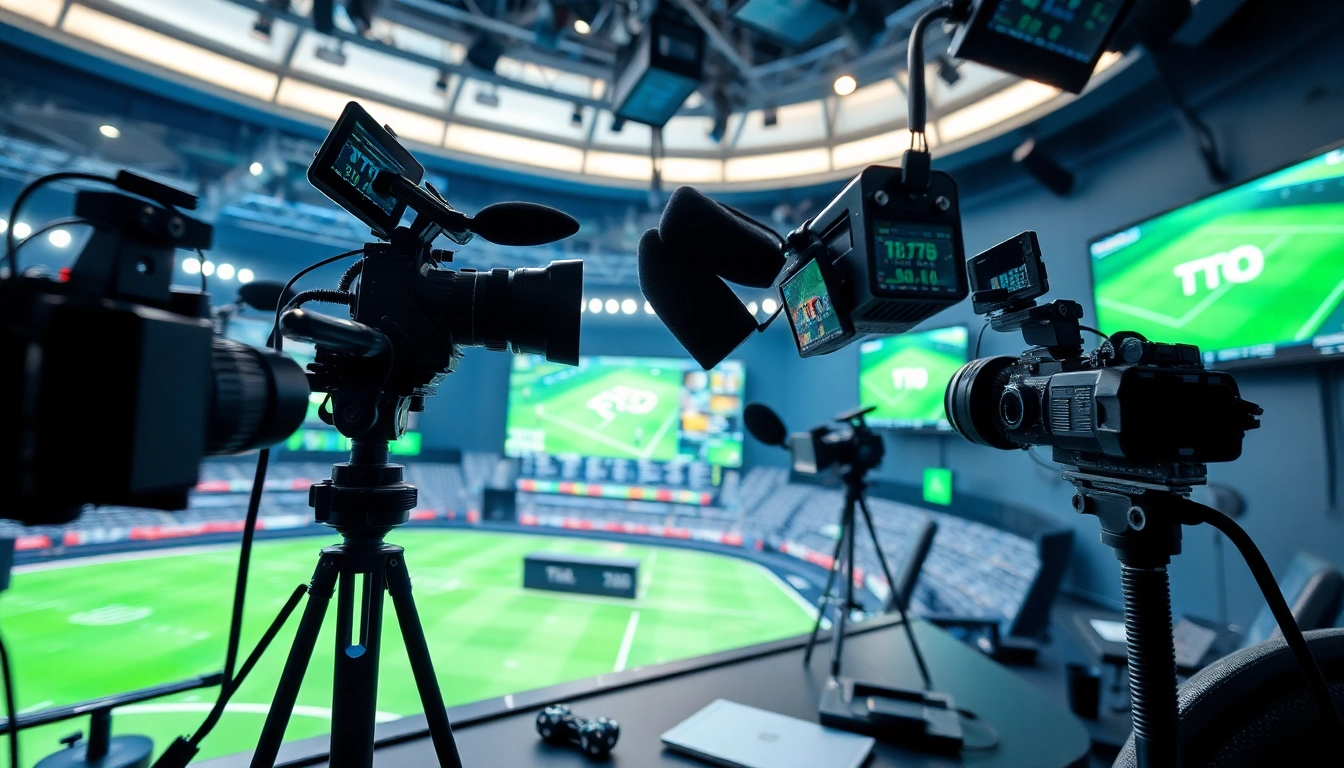
Successful Sports Broadcasting relies heavily on high-quality equipment. Essential components include cameras for capturing the action, microphones for clear audio, and mixing consoles for audio management. Advanced setups may also incorporate drones for aerial shots or slow-motion cameras to capture critical moments in detail. The investment in reliable broadcasting equipment ensures that audiences receive a seamless viewing experience.
Software Solutions and Tools for Broadcasters
Beyond hardware, software plays a crucial role in Sports Broadcasting. Various platforms exist to facilitate live streaming, enhance graphics, and manage viewer engagement. Live streaming software allows broadcasters to reach their audience without interruption, while graphic design tools help craft engaging visual elements that enrich the overall broadcast. Choosing the right software can significantly impact the quality and professionalism of the broadcast.
Streamlining Your Broadcasting Workflow
Efficiency in workflow can enhance the effectiveness of Sports Broadcasting. Utilizing project management software can help streamline tasks, allowing teams to allocate resources effectively and meet deadlines. Regular training sessions for staff on both equipment and software also ensure that everyone is well-prepared to handle any challenges that arise. Automated systems can take some of the burdens off live broadcasting, reducing the potential for errors and improving overall production speed.
Content Creation for Sports Broadcasting
Engaging Narratives in Sports Commentary
Commentary forms the backbone of Sports Broadcasting content. Engaging narratives not only provide context and insights into the game but also connect the audience emotionally with the action. Good commentators blend statistics and storytelling, creating a compelling experience that keeps viewers invested. Incorporating anecdotes and historical references can make broadcasts rich and entertaining, drawing viewers back for more.
Utilizing Visuals to Enhance the Viewing Experience
Visual elements are crucial in Sports Broadcasting, as they significantly enhance the audience’s viewing experience. Graphics illustrating key statistics, player profiles, and real-time updates during matches can enrich the narrative. Furthermore, employing advanced technologies like augmented reality can elevate the broadcast, captivating younger audiences and tech-savvy viewers. The use of diverse camera angles and slow-motion replays can showcase pivotal moments, making the audience feel closer to the action.
Building Brand Identity through Unique Content
In a saturated market, building a distinct brand identity is critical for success in Sports Broadcasting. Unique content that resonates with a particular audience segment can enhance brand loyalty. Consistent branding across broadcasts, including logos, presentation style, and unique commentary approaches, can set a broadcaster apart. Creating signature segments or themes can also cultivate a recognizable brand, making it easier for audiences to form connections.
Audience Engagement in Sports Broadcasting
Strategies for Growing Your Viewership
Growing viewership involves strategic planning and implementation. Identifying target demographics helps tailor content to meet audience preferences. Collaborations with influencers and athletes can widen reach, enhancing credibility and visibility. Frequent interactions during broadcasts, such as viewer polls or Q&A sessions, encourage more audience participation, fostering a loyal viewer base and increasing overall engagement.
Leveraging Social Media for Broader Reach
Social media serves as a powerful tool in Sports Broadcasting for audience engagement. Sharing highlights, behind-the-scenes content, and live updates facilitates direct interaction with fans. Platforms such as Twitter and Instagram allow broadcasters to create a two-way communication stream, where fans feel involved and valued. Utilizing trending hashtags and participating in online discussions can also enhance visibility and attract new viewers.
Interactive Elements to Keep Audiences Hooked
Adding interactive elements to broadcasts can significantly increase viewer engagement. Integrating features such as live chat, instant polls, and augmented reality enhances the viewing experience, making it more immersive. Gamification tactics, including fantasy sports integrations or prediction games, can captivate viewers, encouraging them to anticipate broadcasts and remain engaged. These tactics foster community interaction, contributing to a lively broadcasting environment.
Performance Metrics in Sports Broadcasting
Understanding Viewer Analytics and Ratings
Analyzing viewer analytics is essential for measuring the effectiveness of Sports Broadcasting. Ratings provide insight into audience size, while demographic information helps broadcasters understand who is watching and why. Utilizing analytics tools can allow for real-time adjustments during broadcasts and future planning for content. Gathering data post-event can illuminate areas for improvement, enhancing overall strategy.
Key Performance Indicators for Broadcasters
Several Key Performance Indicators (KPIs) can track the performance of Sports Broadcasting. Viewership numbers, engagement rates, and audience retention statistics are crucial for understanding success. Additionally, metrics such as social media interactions and website traffic during broadcasts can provide further insights into audience behavior and preferences, informing future content strategies.
Assessing Engagement and Continuous Improvement
Assessing engagement regularly allows broadcasters to identify strengths and weaknesses. Continuous improvement should be targeted at refining content quality, increasing viewer satisfaction, and expanding the audience base. Gathering viewer feedback and conducting post-broadcast reviews helps understand audience needs. Implementing changes based on this feedback can drive improvements and, ultimately, greater success in Sports Broadcasting.
Frequently Asked Questions
What is sports broadcasting?
Sports broadcasting involves transmitting live or recorded sports events to audiences through various media channels.
What equipment is essential for sports broadcasting?
Essential equipment includes cameras, microphones, mixing consoles, and broadcasting software to ensure high-quality transmission.
How has sports broadcasting evolved?
Sports broadcasting has evolved from radio and television to digital streaming and interactive platforms, enhancing viewer engagement.
Why is audience engagement important in sports broadcasting?
Audience engagement boosts viewership, increases loyalty, and fosters community interaction, essential for successful broadcasting.
What metrics are used to assess sports broadcasting performance?
Key metrics include viewer ratings, audience demographics, social media interactions, and overall engagement statistics.